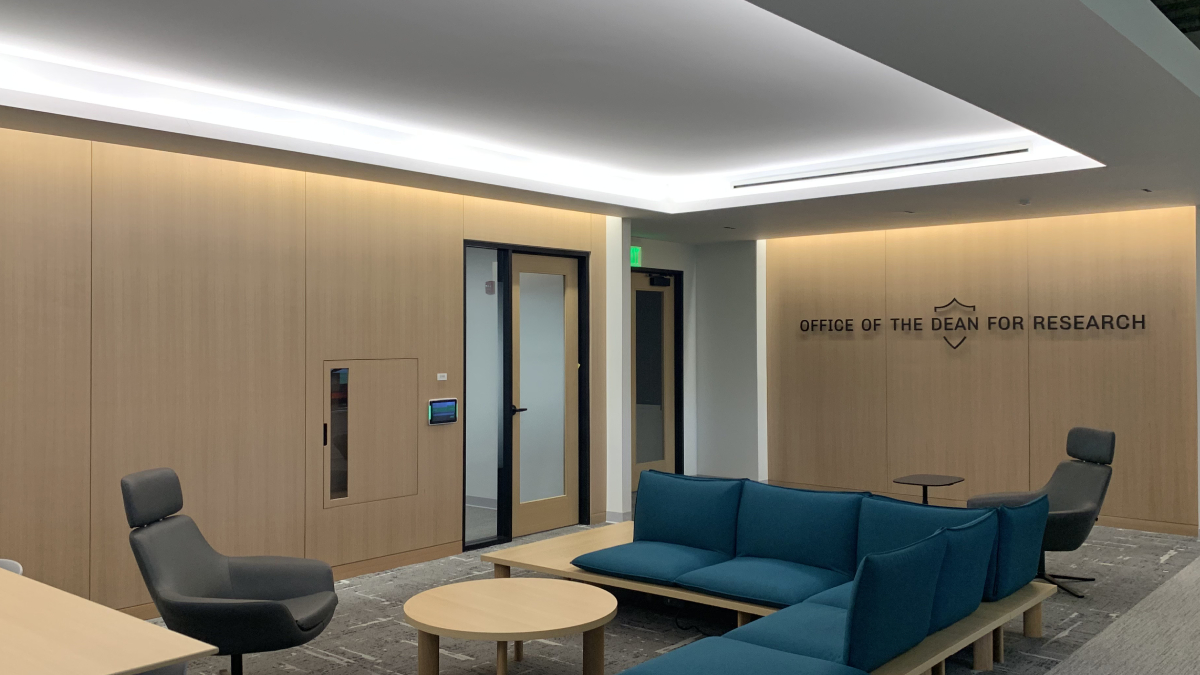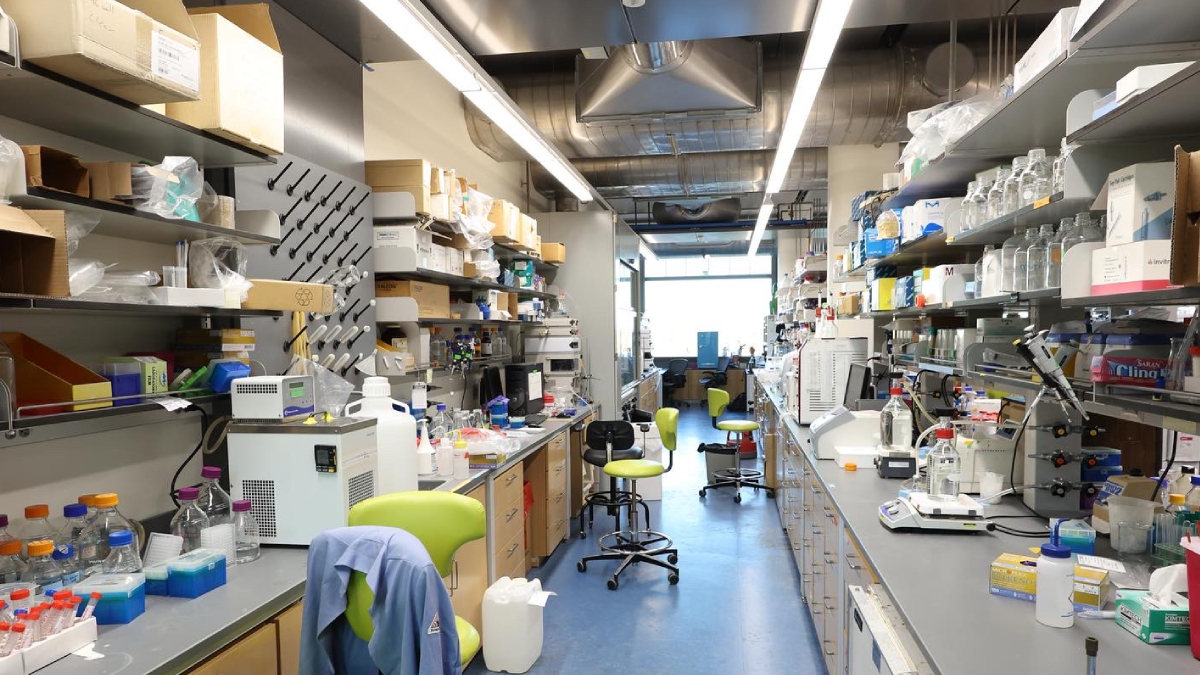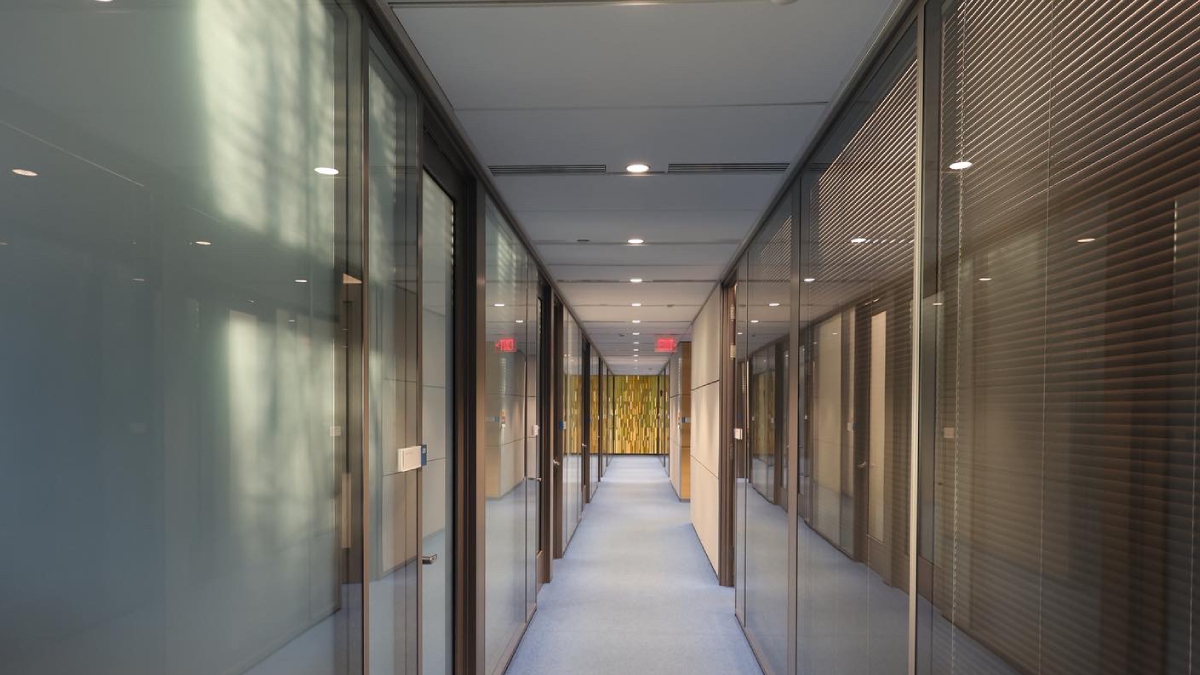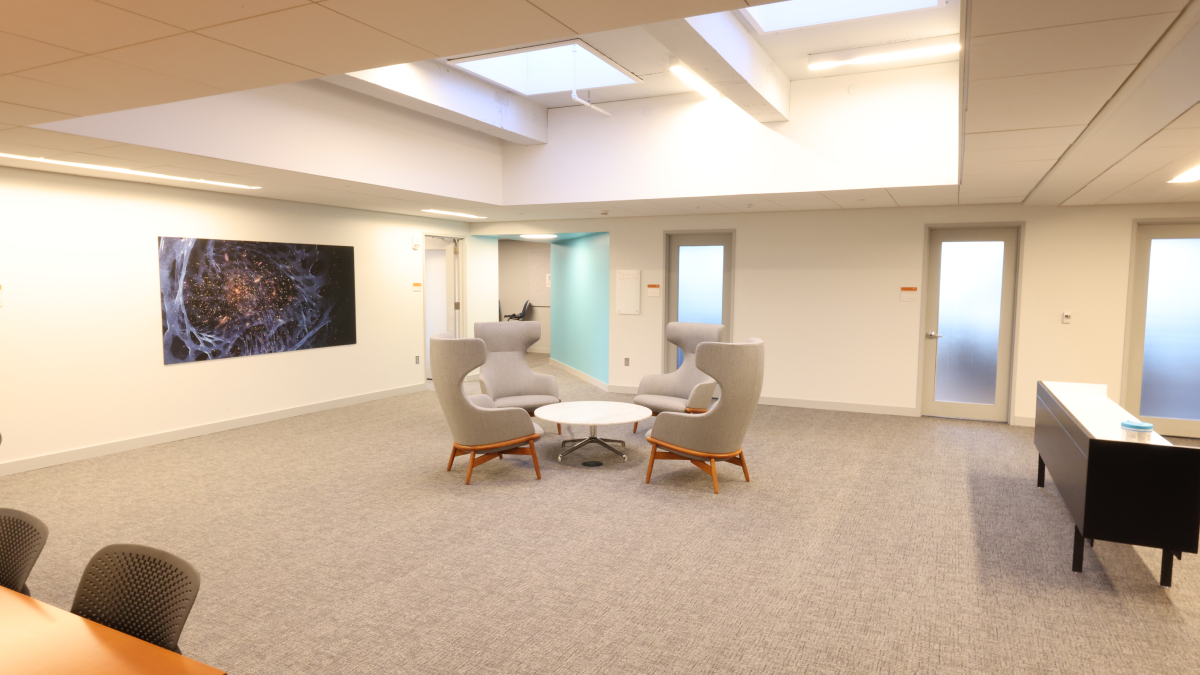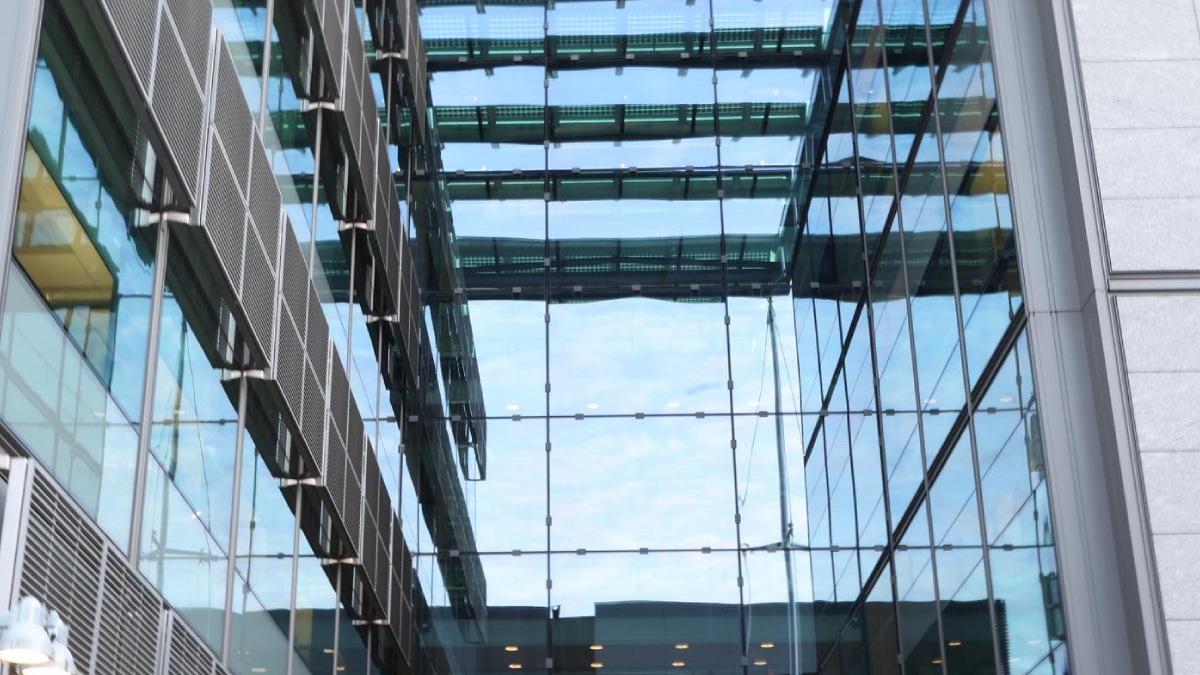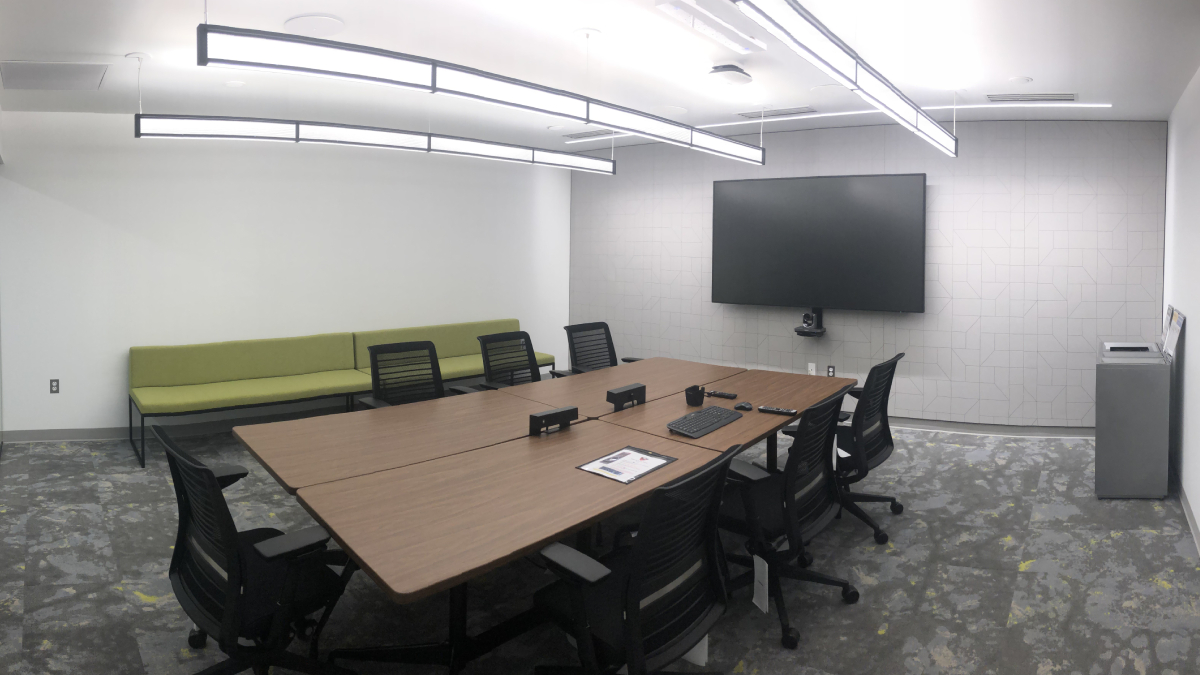
Circadia Group managed the inaugural phase of Princeton University’s campus-wide LED conversion, a critical initiative supporting the University’s mission to reduce carbon emissions to 1990 levels. This multi-year effort focused on transitioning legacy lamp and ballast systems to high-efficiency LED technology across the institution’s diverse building portfolio. Our team conducted investment-grade audits to identify all unconverted lighting assets, subsequently developing a comprehensive Lighting Masterplan that defined energy demand, projected savings, and verified carbon reductions. Upon approval of the Masterplan, Circadia oversaw every facet of the implementation lifecycle, including RFP development, competitive bidding, procurement, and intensive on-site management. To date, Circadia has successfully converted 95% of the Princeton campus—encompassing over 150 buildings—resulting in an energy reduction of more than 3MW. This work required navigating some of the most sensitive and prestigious spaces on campus, including National Historic Landmarks, the University President’s offices, academic spaces, and high-density residence halls.
Client
Location
Budget
Completion Date
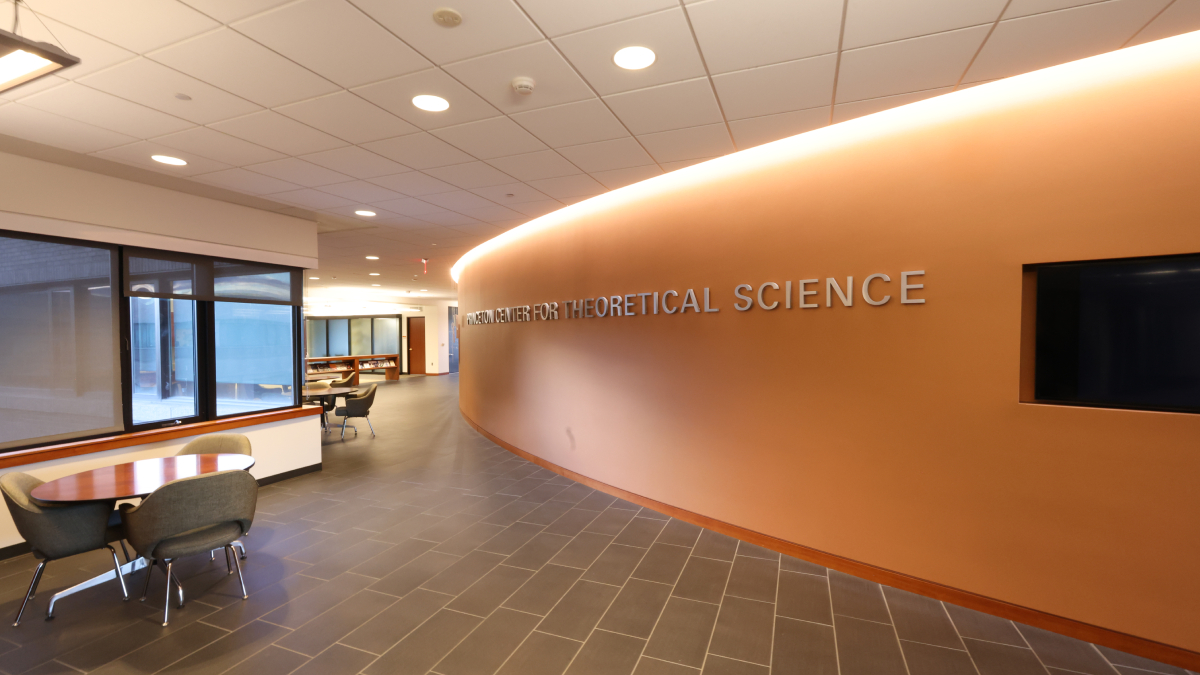
Circadia Group managed the inaugural phase of Princeton University’s campus-wide LED conversion, a critical initiative supporting the University’s mission to reduce carbon emissions to 1990 levels. This multi-year effort focused on transitioning legacy lamp and ballast systems to high-efficiency LED technology across the institution’s diverse building portfolio. Our team conducted investment-grade audits to identify all unconverted lighting assets, subsequently developing a comprehensive Lighting Masterplan that defined energy demand, projected savings, and verified carbon reductions. Upon approval of the Masterplan, Circadia oversaw every facet of the implementation lifecycle, including RFP development, competitive bidding, procurement, and intensive on-site management. To date, Circadia has successfully converted 95% of the Princeton campus—encompassing over 150 buildings—resulting in an energy reduction of more than 3MW. This work required navigating some of the most sensitive and prestigious spaces on campus, including National Historic Landmarks, the University President’s offices, academic spaces, and high-density residence halls.